
When people evaluate a neighborhood, they often focus on factors such as schools, transportation, and local amenities. However, one feature that consistently contributes to long term desirability is access to green spaces and public parks. Parks do much more than provide recreational opportunities. They improve quality of life, enhance community appeal, and often play a significant role in shaping property values over time.
As cities become more densely populated, access to natural areas has become increasingly valuable. Homebuyers are placing greater importance on neighborhoods that offer opportunities to exercise, relax, and connect with nature close to home.
Creating More Desirable Communities
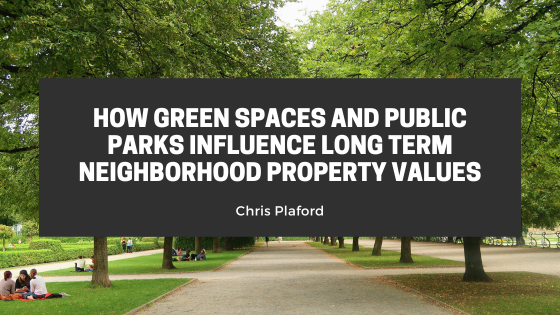
Public parks contribute to a neighborhood’s overall attractiveness. Tree lined pathways, playgrounds, open fields, and walking trails create inviting environments that appeal to families, professionals, and retirees alike. The presence of green spaces often gives communities a sense of openness and balance that is difficult to replicate through development alone.
Neighborhoods with well maintained parks frequently attract a wider pool of potential buyers. Increased demand can lead to stronger competition for available homes, helping support long term property appreciation. Even small community parks can positively influence how buyers perceive an area.
Enhancing Quality of Life
Green spaces provide numerous lifestyle benefits that make neighborhoods more desirable places to live. Parks encourage outdoor recreation, physical activity, and social interaction. Residents have convenient access to walking paths, sports facilities, and gathering spaces that support both physical and mental well-being.
The ability to enjoy nature without traveling far from home is increasingly important in modern living. Buyers often view proximity to parks as an investment in their daily quality of life, making nearby properties more attractive in the long run.
Supporting Community Engagement
Public parks often serve as community gathering places. Farmers markets, festivals, outdoor concerts, and recreational programs frequently take place in these shared spaces. These activities help strengthen social connections and foster a stronger sense of community identity.
Neighborhoods with active and engaged communities often maintain greater appeal to buyers. Strong community ties can encourage neighborhood upkeep, local investment, and civic participation, all of which contribute to long term desirability and property stability.
Environmental Benefits and Their Impact on Value
Green spaces also deliver important environmental advantages. Trees and vegetation help improve air quality, reduce urban heat, and manage stormwater runoff. Parks can make neighborhoods feel cooler and more comfortable, particularly during warmer months.
As environmental concerns become increasingly important, buyers are paying closer attention to sustainable and livable communities. Access to green infrastructure and natural spaces can differentiate one neighborhood from another and contribute to stronger long term demand.
Economic Effects on Property Values
Numerous real estate markets have demonstrated that properties located near well maintained parks often command higher values than similar homes farther away from green spaces. Proximity to recreational amenities can create a pricing premium because buyers recognize the lifestyle and convenience benefits associated with nearby parks.
Additionally, public investment in park development often stimulates surrounding economic activity. New parks can encourage infrastructure improvements, attract businesses, and increase interest in nearby residential areas. Over time, these factors can positively influence appreciation and market resilience.
Why Green Spaces Matter in Long Term Real Estate Trends
Green spaces and public parks are more than recreational amenities. They contribute to healthier lifestyles, stronger communities, and more attractive neighborhoods. As buyer preferences increasingly prioritize quality of life and environmental well-being, access to parks is becoming an even more important driver of property demand.
For homeowners and investors, understanding the influence of green spaces offers valuable insight into long term neighborhood potential. Communities that prioritize parks and public spaces often create environments that remain desirable and resilient for years to come.